

100 YEARS OF MATMUT STADIUM: HOW GL EVENTS SPORTS IS BRINGING A LYON HERITAGE SITE TO LIFE WITH AN EYE TO THE FUTURE
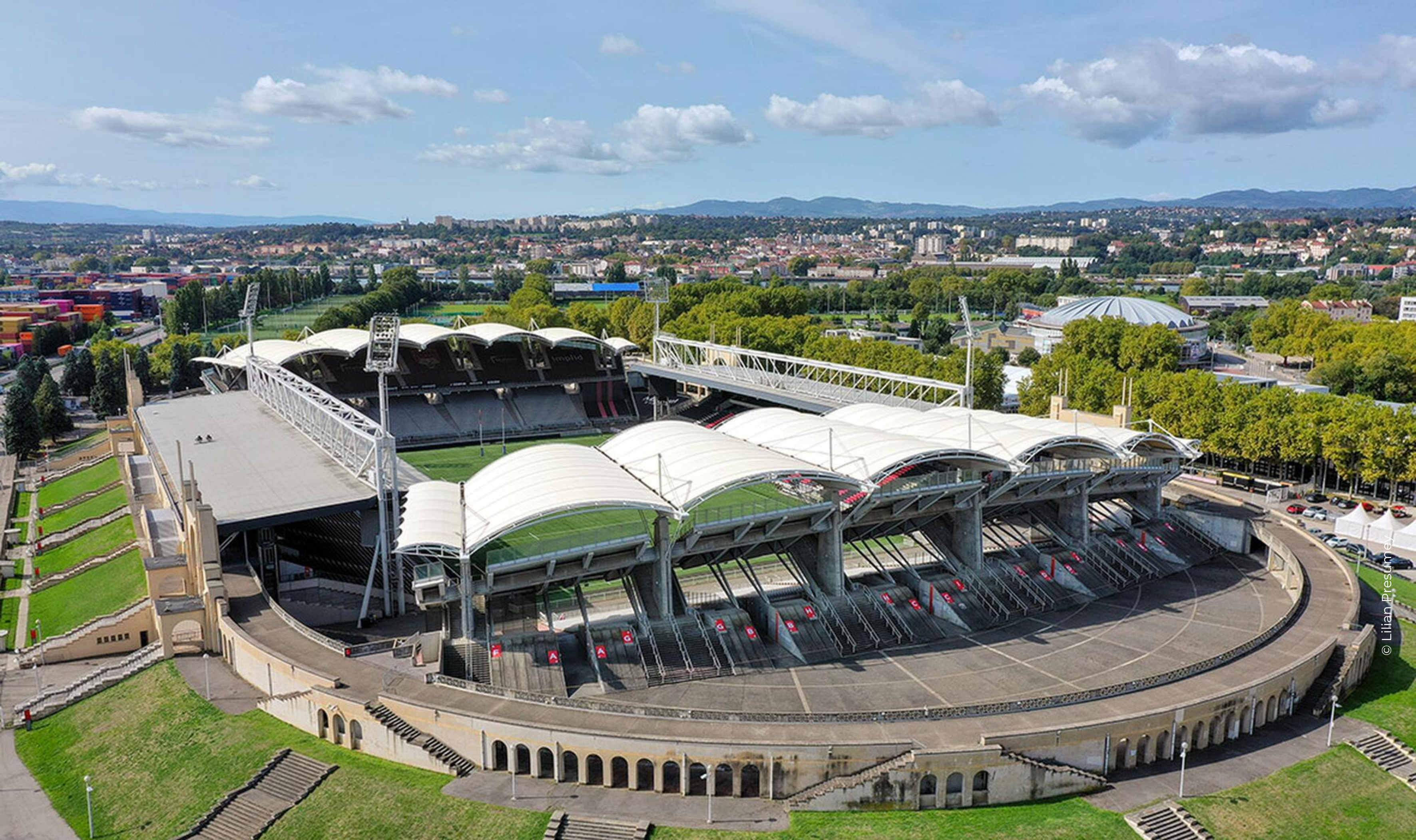
In 2026, Matmut Stadium, historically known as Stade de Gerland, celebrates its 100th anniversary. Inaugurated in 1926, this emblematic venue in Lyon’s sporting and cultural heritage is now the home ground of LOU Rugby and an event venue open to its local area. Through its gradual transformation, GL events Sports is championing a distinctive model: preserving the legacy of a century-old stadium while developing a self-financed, multifunctional living venue rooted in a sustainable public-private partnership.
Why is the stadium’s 100th anniversary a key moment for GL events?
The 100th anniversary of Matmut Stadium Gerland does not simply celebrate the history of a Lyon sports facility. It also highlights the ability of a venue to span eras, uses and generations, while retaining a special place in collective memory.
Designed by Tony Garnier as a “City of Sport”, Stade de Gerland was inaugurated on 23 May 1926. Listed in the inventory of Historic Monuments, it has hosted football matches, international fixtures, popular events, concerts and major moments in Lyon’s history throughout the past century.
For GL events, this centenary is also an opportunity to highlight an approach at the heart of its model: developing event venues without distorting their identity, while embedding them in a long-term economic, sporting, cultural and territorial dynamic.
How did Matmut Stadium become a living venue?
Since the arrival of LOU Rugby in 2017, a new chapter has opened for Gerland. The stadium became Matmut Stadium, with the support of the Matmut group, its naming partner, whose commitment has been extended until 2031.
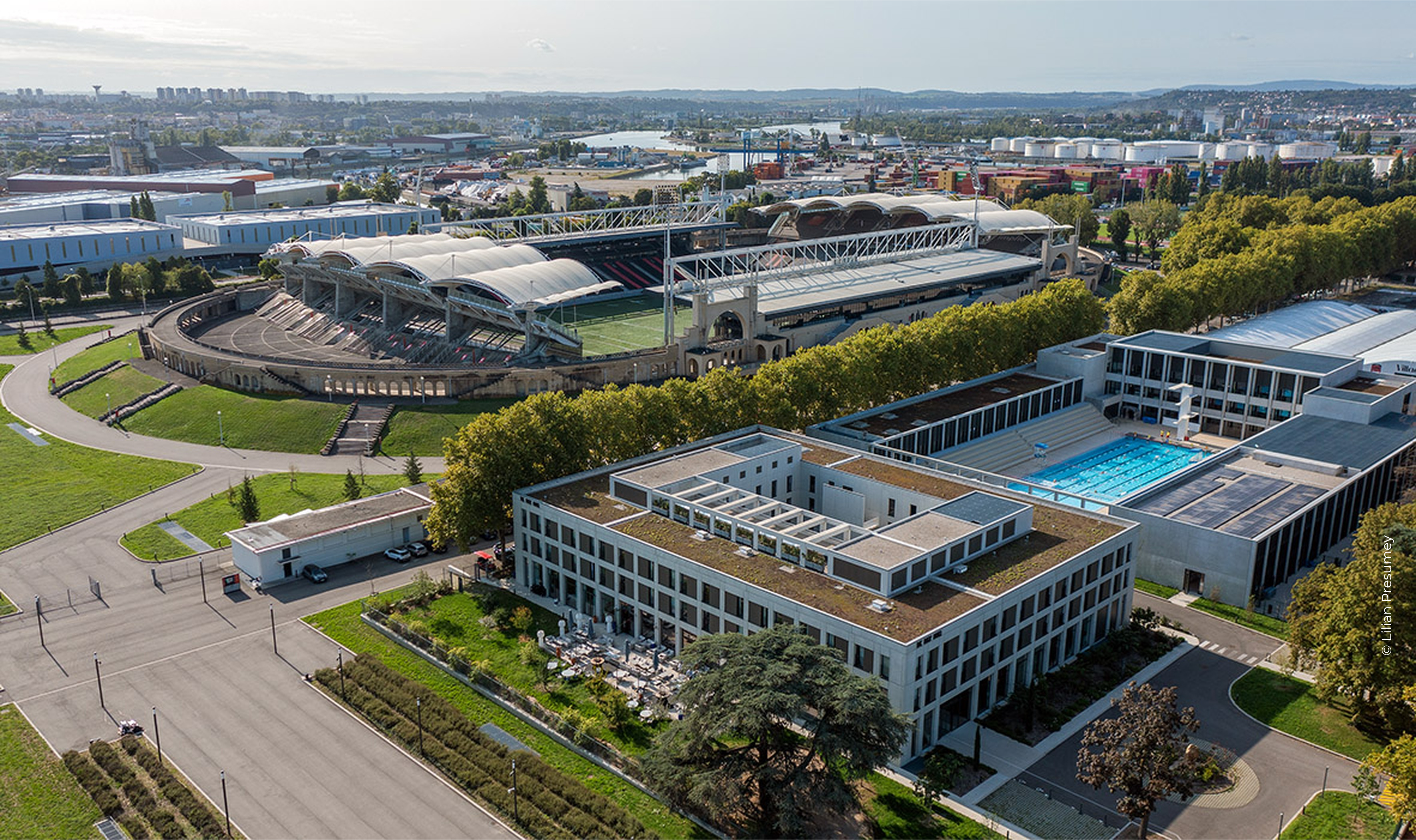
The renovation entrusted to AIA Architectes made it possible to adapt the venue to the requirements of rugby, while respecting its original architectural qualities. But the transformation did not stop at the pitch. The site has gradually integrated a training centre, a brasserie, a shop, event spaces, a hotel, a healthcare centre, offices, an academy and the headquarters of GL events Sports.
This evolution reflects a strong conviction: a stadium can no longer be thought of solely as a match-day venue. It must live all year round, welcome different audiences, create complementary uses and contribute to the vitality of its neighbourhood.
How is Gerland a pilot project for GL events Sports?
The Gerland model is based on the idea of transforming a historic stadium into a sporting, economic and event ecosystem capable of operating beyond match days.
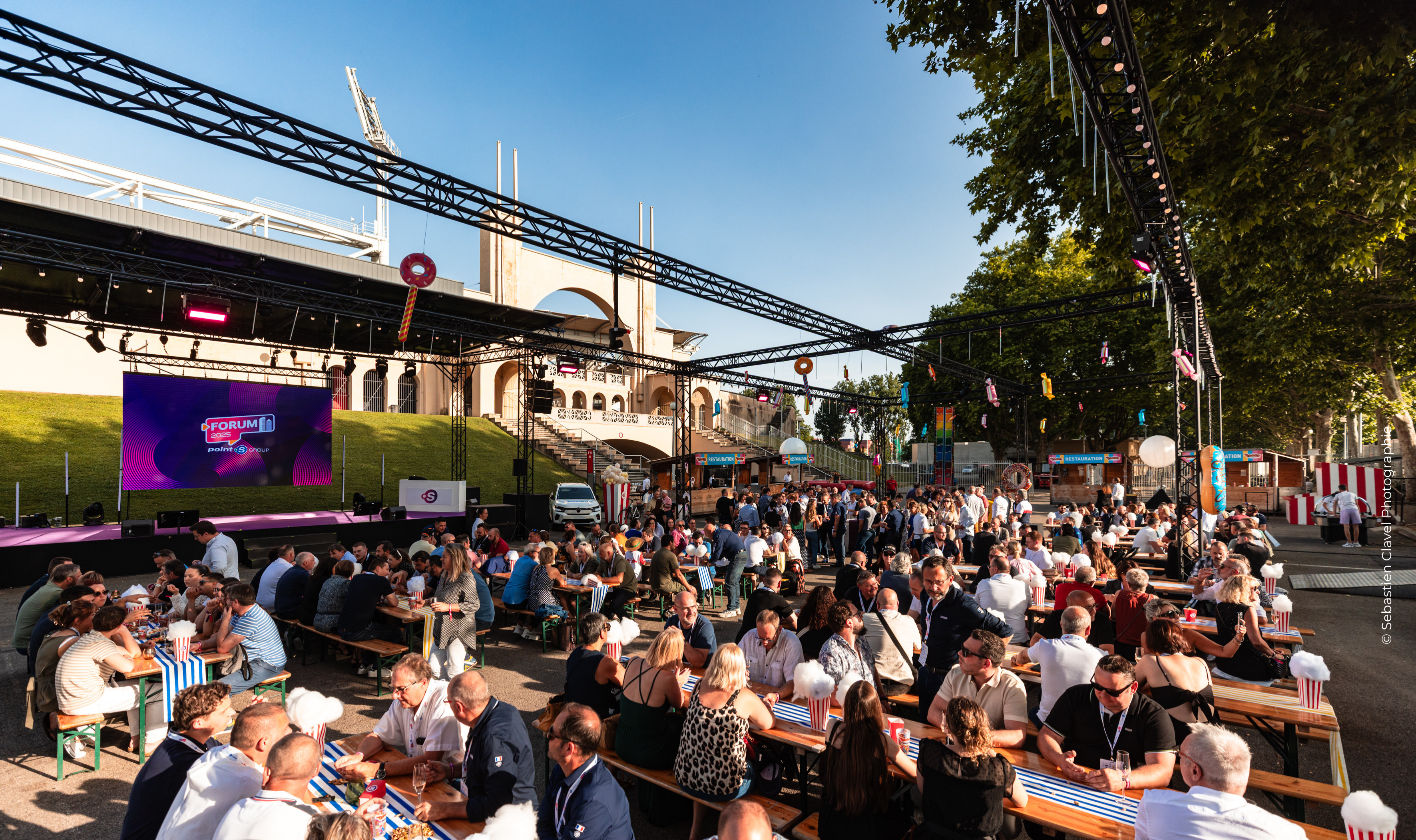
Around LOU Rugby, GL events Sports has developed a hybrid model at the crossroads of professional sport, training, healthcare, hospitality, catering, corporate events and entertainment. This diversification broadens the site’s uses and strengthens its contribution to the local area.
In this respect, Gerland can be seen as a pilot project. It demonstrates that a sports facility can become a living, sustainable and structuring asset when it is designed at the scale of a neighbourhood, a club and a territory. It also illustrates GL events’ ability to operate complex venues, develop their attractiveness and build usage models adapted to contemporary expectations.
What role does the public-private model play in this transformation?
The transformation of Matmut Stadium is part of a close relationship with the City of Lyon and local stakeholders. It is based on a balance between preserving public heritage, private investment, operational management and the creation of local value.
This public-private model is one of the key elements in Gerland’s trajectory. It allows a historic facility to keep living without being frozen in its past. It also makes it possible to undertake progressive investments, adapted to the real needs of the site, the club, the public and the neighbourhood.
For GL events Sports, this approach is based on a logic of self-financing and responsibility. The development of the site relies on the diversification of its activities, the creation of new services and the ability to generate additional revenue, while preserving the venue’s identity.
How does Gerland illustrate GL events’ integrated model?
Matmut Stadium embodies several dimensions of the GL events model: venue management, event production, hospitality, public reception, crowd-flow management, territorial activation and the ability to keep facilities alive over time.
This model reflects the complementary nature of the Group’s expertise, structured around GL events Live, GL events Exhibitions and GL events Venues. This complementarity enables the Group to support its clients in France and internationally, from project definition through to delivery, while contributing to the attractiveness of territories.
At Gerland, this logic takes concrete form: a historic site becomes a multifaceted space capable of hosting elite sport, professional events, cultural highlights, solidarity projects and experiences for the general public.
What legacy does the centenary leave for Lyon and LOU Rugby?
The celebrations for the 100th anniversary of Matmut Stadium Gerland will be organised around a major sporting weekend on 6 and 7 June 2026, with two matches between LOU Rugby and Montpellier Hérault Rugby: one in TOP 14 and one in Axa Élite 1 Féminine. Visits, activities, meetings, surprises and highlights will allow the public to look back on a century of history.
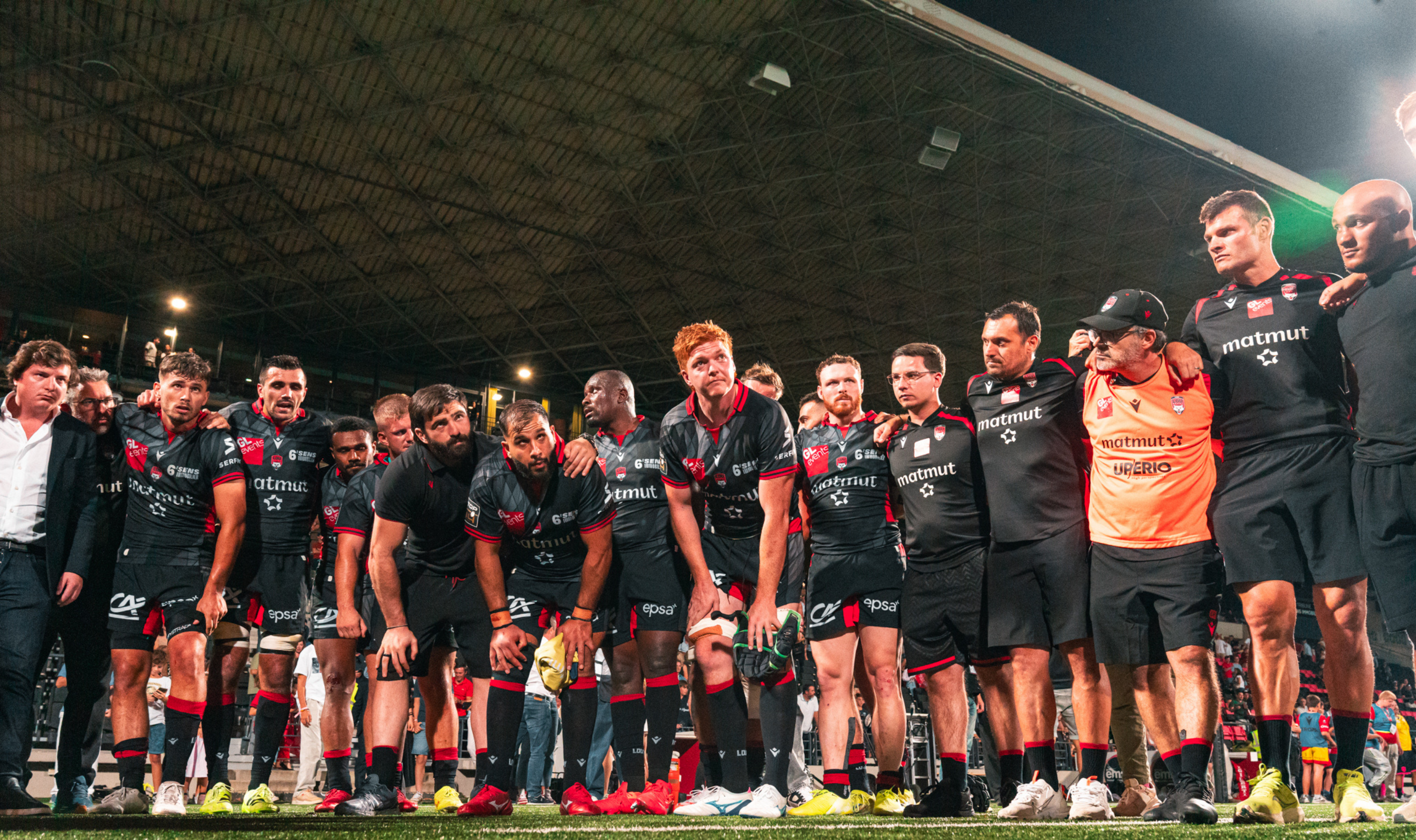
Beyond the celebration, this centenary marks a new stage in the relationship between LOU Rugby, the stadium and the people of Lyon. The club is part of a continuum: keeping Gerland’s sporting spirit alive, developing training, strengthening the role of women’s rugby, opening the stadium to new audiences and extending the history of an emblematic venue.
For GL events Sports, the challenge is to continue making Gerland a useful, vibrant and open site. A place that respects its heritage, supports LOU Rugby’s sporting ambitions and contributes to the momentum of the Lyon area.
Why is Matmut Stadium Gerland celebrating its 100th anniversary in 2026?
Stade de Gerland was officially inaugurated on 23 May 1926. In 2026, Matmut Stadium is therefore celebrating a century of sporting, cultural and heritage history in the heart of Lyon.
What is the link between Stade de Gerland, Matmut Stadium and LOU Rugby?
Stade de Gerland became Matmut Stadium with the arrival of LOU Rugby in 2017. The club plays its TOP 14 and European Cup home matches there and helps bring the site to life all year round through sporting, event, economic and territorial activities.
Why is Matmut Stadium a pilot project for GL events Sports?
Matmut Stadium illustrates a model for transforming a historic stadium into a multifunctional living venue. The site brings together professional sport, training, healthcare, hospitality, catering, corporate events and concerts, within a diversified and self-financed operating model.
How does GL events contribute to the evolution of Matmut Stadium?GL events Sports supports the development of Matmut Stadium by structuring a sustainable operating model based on diversified uses, heritage enhancement, local anchoring and the complementarity of the Group’s event expertise.